
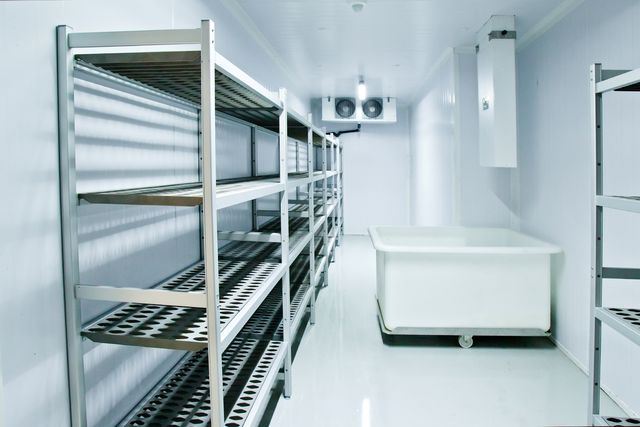
Walk-In Cooler & Commercial Refrigeration Repair
Commercial refrigeration works hard through frequent door openings, changing stock levels and long operating hours. A walk-in cooler that is warm, frosting up, leaking water or struggling to recover after deliveries can affect food storage and kitchen workflow. When a walk-in, reach-in or prep refrigeration unit shows temperature swings, excess frost, moisture or unusual cycling, the cause may involve airflow, controls, coils, door seals, drainage or electrical components. A professional assessment can identify the areas that need attention and help the business make an informed repair decision. If food temperatures are outside your established safe range, follow your food-safety procedures, protect affected product and avoid relying on a temporary adjustment as a lasting fix.
Common concerns we can assess
- A walk-in cooler is warm, has uneven temperatures, or struggles to recover after deliveries and frequent door use.
- Reach-in refrigerators or prep refrigeration are running constantly, cycling erratically, or leaving products warmer than expected.
- Frost on an evaporator, water around the unit, or ice buildup is restricting airflow and taking up usable storage space.
- A damaged door gasket, inaccurate sensor, noisy condenser, or weak fan is affecting temperature stability and kitchen workflow.
What the technician checks
- Temperature controls, sensors, settings and the unit's operating sequence may be reviewed for signs of inconsistent cooling.
- Condenser and evaporator coils, fans and airflow paths may be examined for dirt, frost or visible restrictions.
- Door seals, hinges, closers, drains and cabinet or walk-in openings may be assessed for heat gain, moisture and air leakage.
- Visible electrical connections, controls and refrigeration components may be evaluated safely to clarify the repair scope.
Why professional service matters
- Clearer information about what may be causing unstable refrigeration temperatures in a foodservice setting.
- A practical path for addressing walk-in, reach-in and prep refrigeration concerns before they further disrupt operations.
- Better context for protecting stored food, coordinating access and deciding on the next service step.
Your questions, answered
What should a restaurant do when a walk-in cooler is not holding temperature?+
Use your established food-safety procedures first: check and document product temperatures, protect or relocate food as appropriate, and limit unnecessary door openings. Do not assume the thermostat setting is the only issue. Share the unit type, displayed temperature, product temperature if available, recent symptoms and any frost, water or unusual sounds when arranging a professional assessment.
Why does a commercial refrigerator develop frost or ice buildup?+
Frost can be associated with moist air entering through a poor door seal or frequent opening, a drainage or defrost concern, restricted airflow, control issues or other equipment conditions. Ice can reduce airflow across the evaporator and make cooling less consistent, so it is useful to have the cause assessed rather than repeatedly removing the visible frost alone.
Which details are useful when requesting walk-in cooler repair in London, Ontario?+
Include the business location, cooler or refrigeration equipment type, the displayed and product temperature if available, when the concern began, whether the unit is running or cycling, and any alarms, leaks, frost or changes in sound. Let the team know about access to the kitchen, storage area or walk-in and any food-protection steps already underway. This gives the service discussion useful operational context.