
Plan the Right Furnace Replacement for Your Home
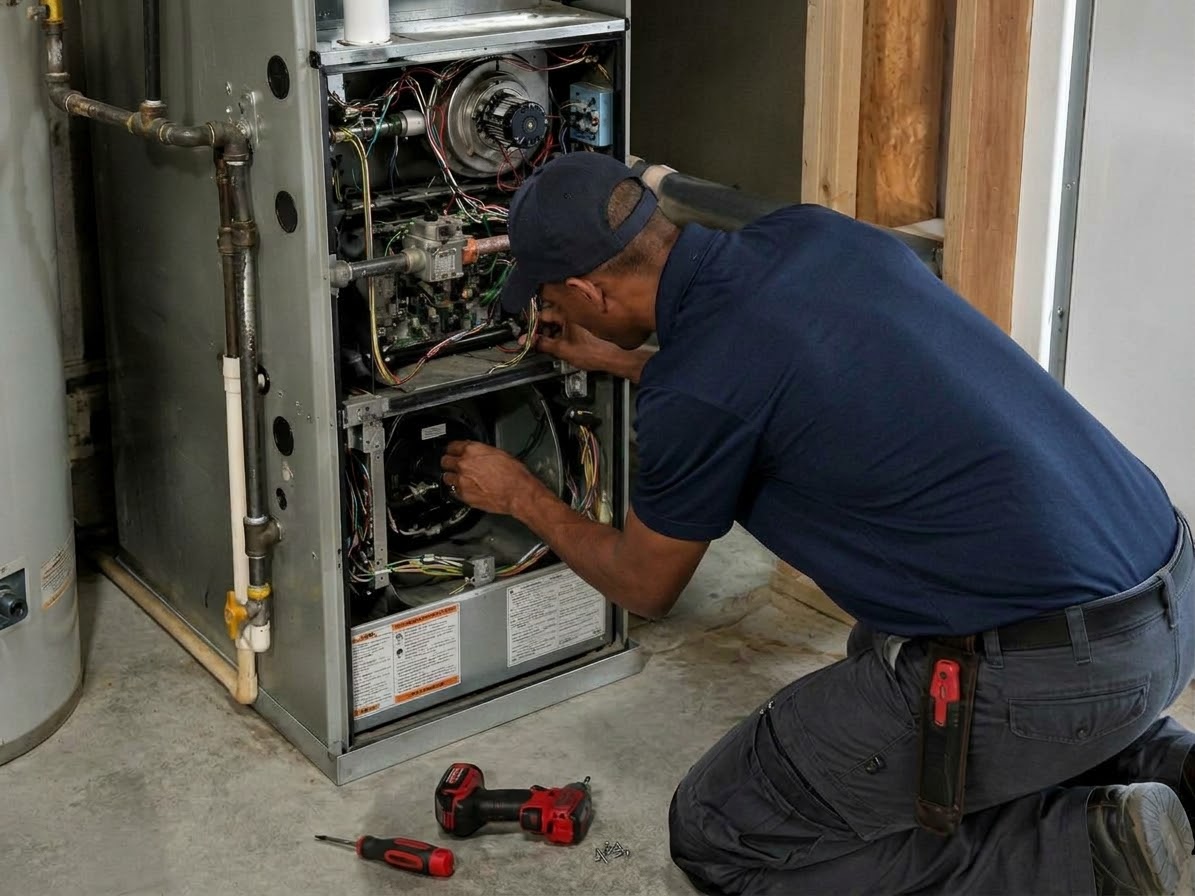
Replacing a furnace involves more than choosing a model with a familiar size. An assessment may consider the home’s heating needs, existing ductwork, venting, thermostat or controls, electrical supply, and available installation space. It can also help clarify whether replacement is the better path than another repair when an older system has recurring concerns. Forest Pro Heating & Cooling serves residential homeowners in London, Ontario and surrounding areas with practical guidance through the planning process. The goal is a properly matched system, a clear installation plan, and fewer surprises when the work begins.
What to consider before installation
- Uneven temperatures or rooms that remain uncomfortable
- An older furnace with recurring service concerns
- A replacement space with limited clearance or access
- Ductwork, venting, or controls that may not suit new equipment
What we assess for your home
- The furnace’s age, condition, and service history may be reviewed
- Home layout and heating requirements may be assessed
- Ductwork, venting, electrical supply, and drainage may be examined
- Installation access, equipment clearance, and control compatibility may be checked
Why professional installation planning matters
- A furnace selected around the home’s heating requirements and available space
- A clearer plan for coordinating equipment, ductwork, venting, and controls
- More predictable comfort planning before the old system is removed
Your questions, answered
How do I know whether to repair or replace my furnace?+
The right choice depends on the furnace’s age, condition, repair history, operating concerns, and how well it fits the home. A technician can review these factors with you and explain whether another repair or a planned replacement appears more appropriate for your situation.
What happens during a furnace replacement assessment?+
The assessment may include reviewing the existing equipment, measuring available space, considering the home’s heating needs, and examining ductwork, venting, electrical connections, drainage, and controls. These details help shape equipment options and identify installation considerations before a replacement is scheduled.
Can a new furnace use my existing ductwork and thermostat?+
It may be possible, but compatibility depends on the equipment, ductwork condition and design, control type, wiring, and installation requirements. These components can be assessed together rather than assumed in advance, helping determine what can remain, what may need adjustment, and what options suit the home.