
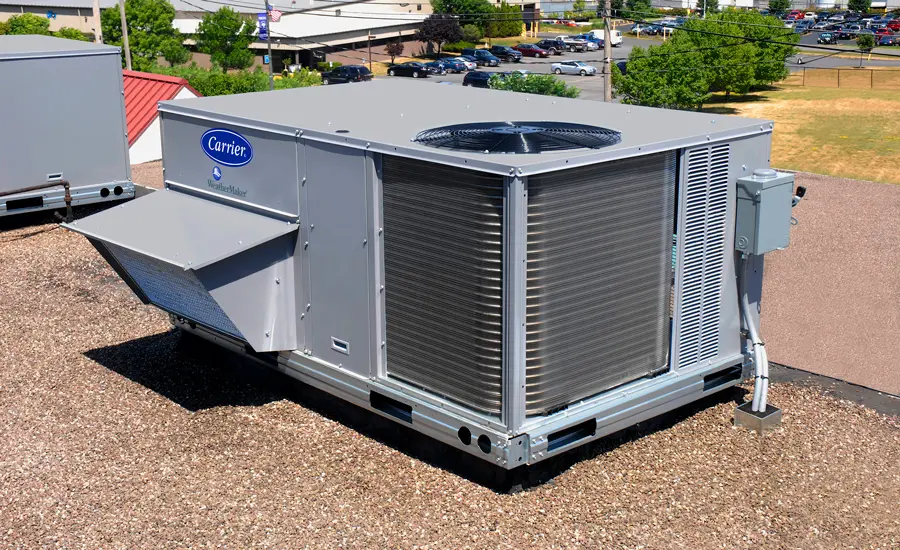
Rooftop Package Unit Repair That Fits the Building’s Operation
Commercial rooftop HVAC units combine heating, cooling, ventilation, and controls in one exposed piece of equipment, so a comfort complaint may begin with more than the thermostat. Seasonal heating-to-cooling changeover, an economizer that is not responding as intended, restricted filters, worn belts, a blocked drain, coil condition, or control sequencing can all influence operation. A thoughtful repair visit considers safe rooftop access, the unit’s airflow path, and how the equipment serves the space below. Forest Pro helps London commercial property owners and managers understand the observed concern, the repair work that may be appropriate, and ways to coordinate the work with tenants, employees, customers, or operations where possible.
Common concerns we can assess
- Office, retail, or warehouse areas are too warm or too cool when the rooftop unit changes between heating and cooling operation.
- Supply air is weak, registers are not moving enough air, or the unit is noisier than usual while the blower is running.
- The economizer or outdoor-air dampers are not responding properly, affecting ventilation or causing the unit to operate unexpectedly in changing weather.
- Water is appearing near the unit or below the roof line, or the unit has signs of a condensate drain, pan, coil, or control-related concern.
What the technician checks
- Rooftop access, visible unit condition, service clearances, and the equipment’s operating sequence may be reviewed before repair work is scoped.
- Thermostat or building controls, heating and cooling changeover, electrical components, and safety controls may be assessed.
- Filters, belts, blower components, duct connections, and supply and return airflow may be examined for restrictions or wear.
- Economizer dampers, coils, condensate pan and drain path, and visible control connections may be checked in relation to the reported symptom.
Why professional service matters
- A clearer explanation of how rooftop-unit components and building conditions may be contributing to the comfort concern.
- Repair recommendations that account for airflow, seasonal operation, controls, drainage, and the way the commercial space is used.
- A practical service discussion that can consider roof access and ways to limit disruption to occupants and day-to-day operations.
Your questions, answered
Why is one part of our commercial building uncomfortable while the rooftop unit is running?+
An operating rooftop unit does not always mean that air is reaching every area as intended. Filter restriction, belt or blower condition, duct connections, damper position, controls, and the layout or use of the space can all affect delivered airflow and temperatures. Reviewing the unit and the reported areas helps narrow down the next step.
What should be checked when a rooftop package unit has trouble during heating and cooling changeover?+
The control call and operating sequence should be considered along with the unit’s heating and cooling components, safeties, airflow, and economizer operation. Weather changes can expose an issue with controls or dampers, but a proper assessment avoids assuming that one component is responsible.
Can commercial rooftop unit repair be coordinated for an occupied London property?+
Access requirements, roof conditions, tenant or customer activity, and the nature of the equipment concern can be discussed when service is arranged. Sharing the building use, affected areas, and any operational constraints helps create a practical plan for the work without making assumptions about the repair scope.